Key takeaways
- Always test a large sample on the wall, at different times of day.
- Natural and artificial light change how a colour looks.
- The finish changes how a shade appears.
Look at the room’s light
A north-facing room gets cooler light, which can make shades look greyer. A south-facing room gets warmer light. Bulbs (warm or cool) also change the look.
Understand undertones
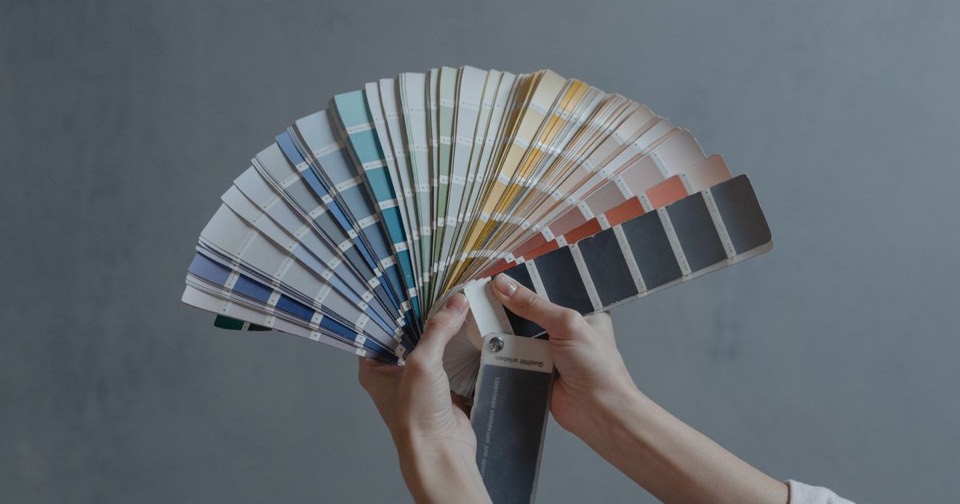
A white or a grey can lean yellow, blue or pink. Compare your choices side by side and against fixed elements in the room: flooring, counters, cabinets.
Test before committing
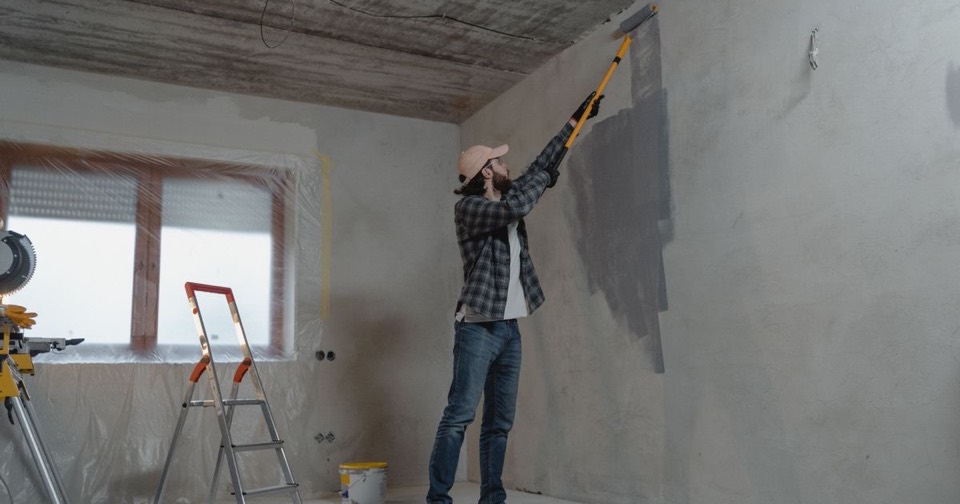
- Paint a sample at least 60 cm (2 ft) wide on the wall, not on a sheet.
- Look at it in the morning, afternoon and evening.
- Test near furniture and fixed elements.
- Apply two coats to the sample to judge the true result.
Finish and room size
A glossier finish intensifies colour. In a small room, pale shades make the space feel larger, while dark shades create a cosy feel. Dark colours often need more coats.
Frequently asked questions
- Can you trust colours on a screen?
- No, screens distort colour. Always use a physical sample.
- How do I choose a white?
- Compare several whites on the wall: their undertones show up very differently depending on the light.