Key takeaways
- Wall and ceiling area matters more than floor size.
- Repairs and colour changes add work.
- Clearing rooms and grouping jobs can help control the cost.
Where the estimate starts
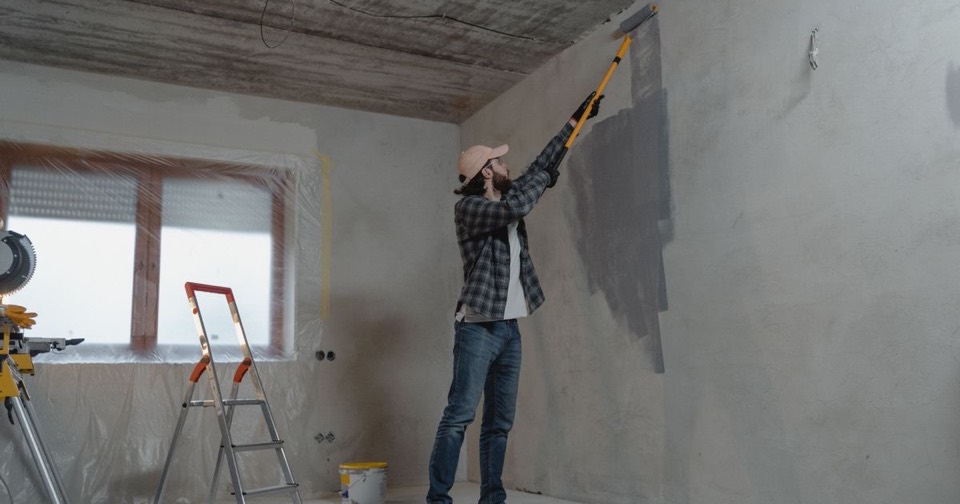
The painter first measures the surface to paint: walls, ceilings, then trim, doors and window frames. A tall room or one with many openings takes more time than a low room of the same floor area.
The factors that matter most
- Ceiling height and stairs.
- Repairs: holes, cracks, drywall joints.
- Colour change: going from dark to light often takes more coats.
- Trim, doors and windows, which take longer than large surfaces.
- The chosen finish and product line.
Extras to plan for
- Moving and protecting furniture.
- Removing wallpaper or old coverings.
- Textured ceilings, which need more material and time.
- Stains (water, smoke, grease) that call for a stain-blocking primer.
How to keep the cost reasonable
- Clear the rooms before the crew arrives.
- Group several rooms into one project.
- Schedule outside peak periods when you can.
- Do not skimp on preparation: it is what gives a lasting finish.
Frequently asked questions
- Should ceilings be painted with the walls?
- It is often more efficient: the work is done at once and the result is more even.
- How many coats are usually needed?
- Two coats are common. A major colour change or a new surface may need more.