Key takeaways
- Price depends mostly on the surface to paint, the preparation and the number of coats.
- Labour is often the biggest share of a quote.
- Compare the detail of the work, not just the total.
Three ways to estimate
Contractors usually use one of these methods, or a mix:
- By area: a price per square foot of wall, ceiling or floor, adjusted for the condition of the surfaces.
- By room: a price per room, handy for standard-sized spaces.
- By the hour or a flat fee: estimated time multiplied by an hourly rate, or one fixed price for the whole job.
Whatever the method, a good estimate rests on a visit or, at the very least, on photos and measurements.
What moves the price
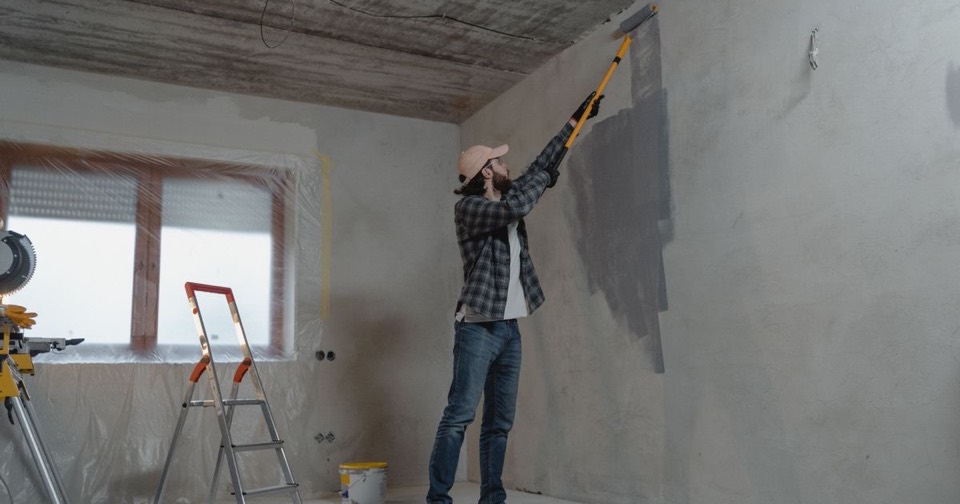
- The real surface: ceiling height, number of windows and doors.
- The condition of the surfaces: repairs, sanding, primer.
- The number of coats: a big colour change, or light over dark.
- Paint quality: product line, finish, hiding power.
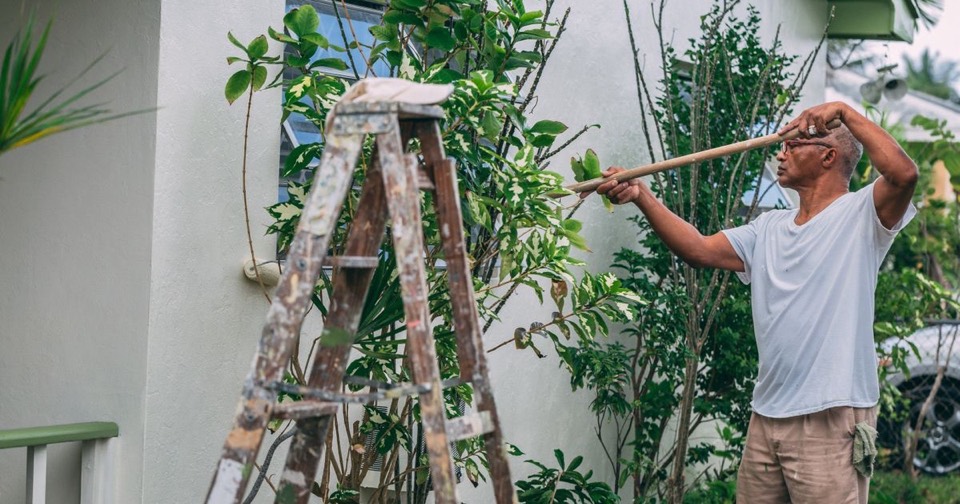
- Access: stairs, height, scaffolding.
- Protecting the space and moving furniture.
- Timing: urgent work or the busiest part of the season.
Labour and materials
The paint itself is rarely the biggest line. Preparation, protection, application and cleanup time usually weigh more in the price.
Better paint costs more up front, but it often covers better and lasts longer, which can reduce the number of coats needed.
How to get an accurate estimate
Prepare a list of rooms or surfaces, approximate dimensions, the colours you are considering and a few photos. The more complete the information, the more reliable the estimate.
At ENVOL Painting, a quote starts with a description of the project and a confirmation of the scope of work with you.
Frequently asked questions
- Why do quotes vary so much?
- They do not always cover the same work: preparation, number of coats, paint quality and protection of the space can differ.
- Is a price per square foot reliable?
- It is a benchmark, not a final price. Surface condition, height and preparation can change the result.