Key takeaways
- Peeling and cracks let moisture in.
- Outdoors, repainting in time protects the siding.
- Indoors, stains and fading are mostly cosmetic.
Signs to watch for
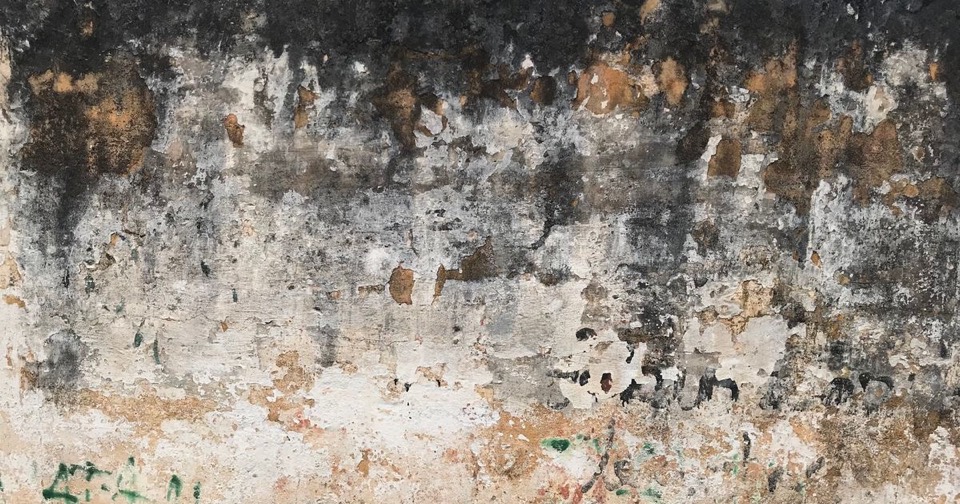
- Peeling or blistering.
- Cracks or fissures in the paint.
- Chalking: a white powder that stays on your hand.
- Fading from the sun.
- Stains, mildew or dirt marks that will not wash off.
- Bare or grey wood showing through.
- Caulking and joints coming loose.
Outdoors
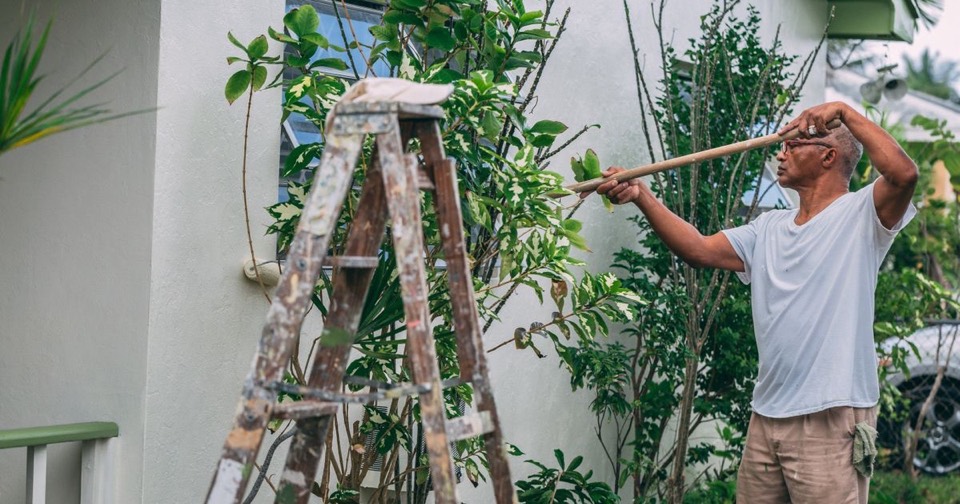
Moisture seeps into peeling areas, which can damage wood or siding. Repainting before the surface is bare generally costs less than repairing.
Indoors
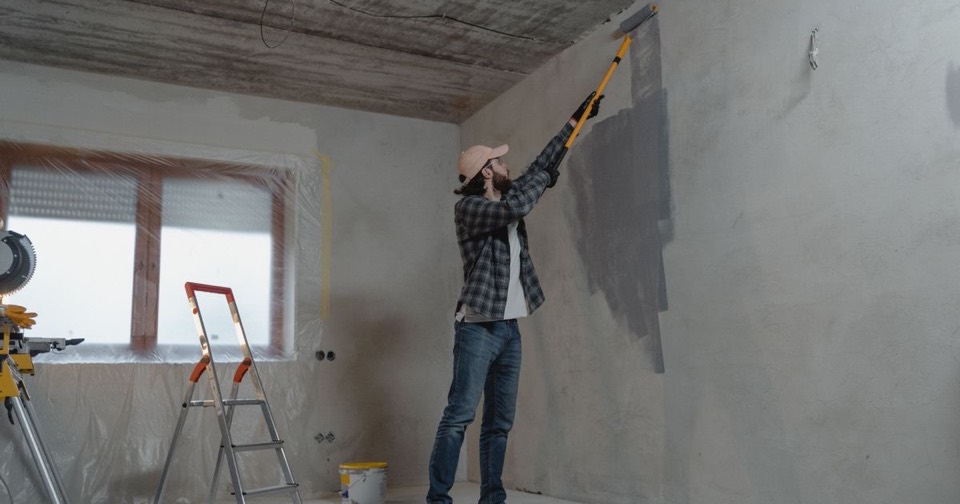
Marked, yellowed or stained walls are repainted mostly for comfort and looks. Heavily used rooms, like hallways and the kitchen, wear faster.
Planning
A visual check or a painter’s visit helps decide whether to repaint everything or repair by area. A written quote helps compare options.
Frequently asked questions
- How often should you repaint?
- It varies with the room, exposure and paint quality. Go by the condition of the surface rather than a fixed schedule.
- Can you paint over peeling paint?
- No. First scrape, repair and prime, otherwise the new paint will peel too.